

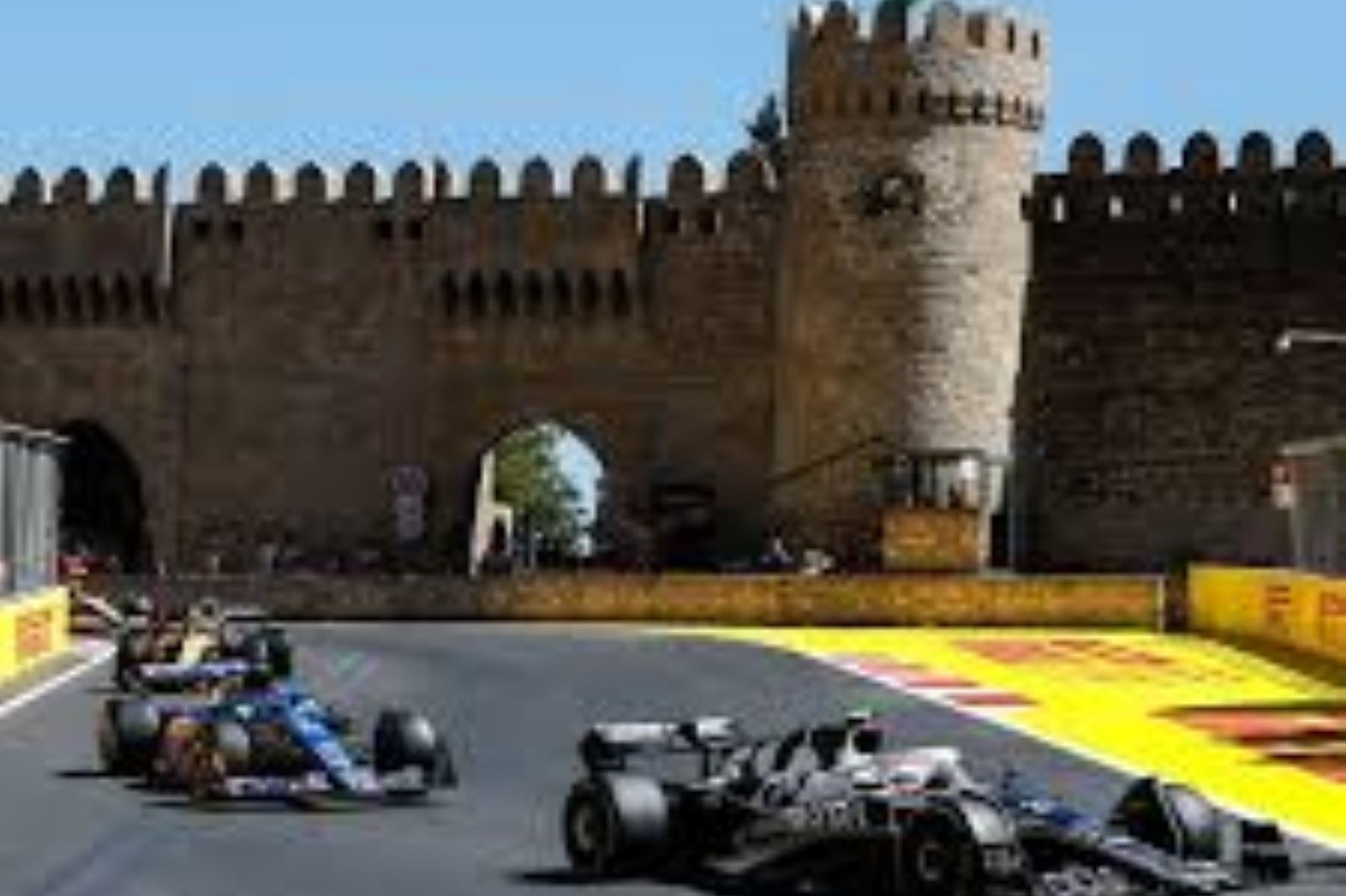
Credit: Pirelli
The War in the Middle East and the Future of F1
Published: Friday, May 29, 2026
by Madeline Fournier
At the beginning of this month, F1 was finally back to lights out in Miami after an
unexpected and
irregular five week break in the month of April. There were supposed to be two races
between
the Japanese Grand Prix which took place on March 29th and the Miami Grand Prix which
occurred on May 3rd. The Bahrain Grand Prix was supposed to take place April 12th
and the
Saudi Arabian Grand Prix was supposed to happen on April 19th. However, these two
races were
canceled on March 14th by the governing body of F1, the FIA due to the ongoing war
in the
Middle East.
The war between Israel and Iran has caused a lot of large scale physical conflict
in the
Middle East. The dangers of the consistent bombing and drone strikes pose a significant
threat to
fans who would come to watch the F1 races. The war has also made travel incredibly
difficult.
Due to the circumstances within the Middle East due to the war, it makes perfect sense
why the
FIA decided to cancel the races.
Now that F1 is back, the upcoming races take place in various parts of Canada and
Europe, places that remain unaffected by the war. The Formula 1 community foresees
no issue
with any of the upcoming races, but after the summer break in August is a completely
different
story. On the 26th of September, F1 is set to go to Azerbaijan for the Azerbaijan
Grand Prix.
Also, the final two rounds of the F1 season are set to take place in Qatar and Abu
Dhabi.
There is concern for these three races as the season goes on and as the war goes on.
Currently, there is a cease fire, but there is no way of knowing how long that will
hold. With
Azerbaijan, Qatar, and Abu Dhabi all within striking distance of the current conflict,
there is a
fear for whether or not these races will happen. The cease-fire between Israel and
Iran has held
over recent weeks, but given the finicky nature of the war, there is uncertainty the
F1 races
occurring in September and December will take place. Even if they did, the risk of
danger to the
drivers, the teams, and the fans may not be worth it.
The conflict in the Middle East already canceled part of the F1 season and still poses
a
threat to the end of it. The early break in the season may be a sign of what is to
come for the end
of it. With the season ending in the Middle East in Qatar and Saudi Arabia, and no
guarantee of
these races happening, it leaves fans wondering. What happens if those races get canceled?
Will
the FIA replace them or just end the season early? Either way, the cancellation of
races
throughout the season holds significant implications on both the Driver’s Championship
and
Constructor’s Championship with less points available for each driver and team. The
ongoing
conflict between Israel and Iran puts major uncertainty over parts of the remaining
F1 season and
asks major questions about the state of the F1 Championships.
For more information contact Madeline Fournier at madeline.fournier@student.shu.edu
Posted in: news,